
Call us: 0780494158
Fuel Analysis
Fuel Analysis
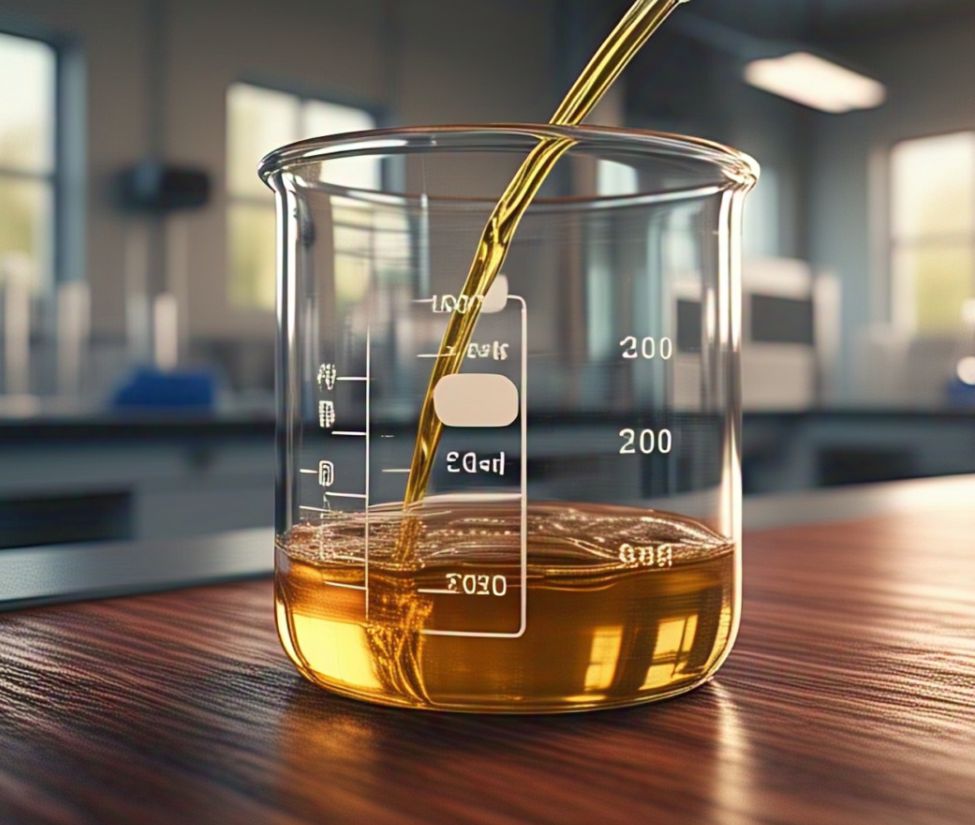
Fossil fuels, biofuels and mixtures are natural products and therefore the composition is dependent on many factors. This makes fuel analysis a necessity as it determines the fuel composition, quality, and suitability for various applications.
Fuel quality is an essential aspect of fuel analysis, as it can have significant impacts on equipment performance, emissions, and profitability. Additionally, environmental regulations require that certain types of fuels meet specific standards for emissions, such as sulfur content. We carry out various fuel tests, including chemical analysis, physical analysis, and performance testing.
- Testing fuel for microbial contamination is important due to several reasons:
Microbial growth in fuel can lead to biofilm formation and the production of corrosive by-products, which can damage fuel storage tanks, pipelines, and engine components. - Microbes in fuel can cause fuel degradation, leading to decreased fuel quality and performance, increased maintenance costs, and reduced equipment lifespan.
- Contaminated fuel can result in microbial-induced filter plugging, fuel line blockages, and fuel system malfunctions, leading to equipment downtime and operational disruptions.
- Certain microorganisms can produce acids that corrode metal surfaces and release biofilms that clog filters and injectors, impacting fuel flow and combustion efficiency.
Diesel Testing
Diesel fuel is a widely used fuel in many applications, including transportation, power generation, and industrial processes. Diesel fuel testing typically involves sampling and analyzing the fuel using specialized equipment and procedures. We test using standardized methods to ensure accurate and reliable results. Diesel fuel testing helps to ensure that the fuel meets the required specifications and regulations and to identify any potential issues or problems that could affect engine performance, emissions, or environmental impacts.
Petrol Testing
Petrol, also known as gasoline, is a widely used fuel in many applications, including transportation, power generation, and industrial processes. Petrol testing typically involves sampling and analyzing the fuel using specialized equipment and procedures. We provide comprehensive petrol testing services, which help to ensure that the fuel meets the required specifications and regulations, and to identify any potential issues or problems that could affect engine performance, emissions, or environmental impacts.
Jet A1 Fuel Testing
Jet A1 fuel is a type of kerosene-based aviation fuel that is widely used in commercial and military aircraft. Our testing services help to ensure the safe and efficient use of aviation fuel in commercial and military aircraft.
Heavy Fuel Oil / Burner Fuel Testing
Heavy Fuel Oil (HFO), also known as Burner Fuel, is a viscous, residual fuel that is commonly used in large industrial boilers, power plants, and marine engines. The quality and composition of HFO can vary widely depending on its source and production method. Therefore, to ensure that the HFO meets the required standards and specifications for safe and efficient combustion, it is important to perform HFO testing.
Transformer Oil Testing
Transformer oil testing is a critical process used to determine the quality and performance of transformer oil, which is used to insulate and cool electrical transformers. Transformer Oil Testing is an essential process that helps ensure the safe and reliable operation of electrical transformers
